SCHOOLS YOU HOPE FOR ARE FAR BUT NOT OUT OF YOUR REACH CONTACT US

What is MBA? An In-Depth Overview
"Explore the transformative journey of an MBA—a degree that combines leadership development, global networking, and specialized business expertise. This blog delves into types of MBA programs, top schools, career opportunities, and how to secure admission to this prestigious qualification."
Yashaj Gupta
1/13/20253 min read


The Master of Business Administration (MBA) is one of the most prestigious and sought-after postgraduate degrees worldwide. Designed to develop leadership, managerial, and business acumen, an MBA is tailored for individuals aspiring to advance their careers in various industries or even start their own ventures. Let’s explore the details of what an MBA is, its structure, benefits, and potential career pathways.
What is an MBA?
An MBA is a graduate-level program that delves deeply into the core aspects of business management. The program’s curriculum is meticulously designed to equip students with a holistic understanding of essential business disciplines, including finance, marketing, operations, human resources, strategy, and entrepreneurship. Beyond technical acumen, MBA programs place a strong emphasis on leadership development, preparing students to inspire and manage teams effectively. They also hone decision-making and problem-solving capabilities through rigorous case studies and real-world business scenarios. Additionally, MBA programs foster strategic thinking, enabling graduates to navigate complex challenges in dynamic business environments with confidence and precision.
Key Components of an MBA Program
Core curriculum: Covers fundamental business disciplines such as finance, accounting, marketing, and operations.
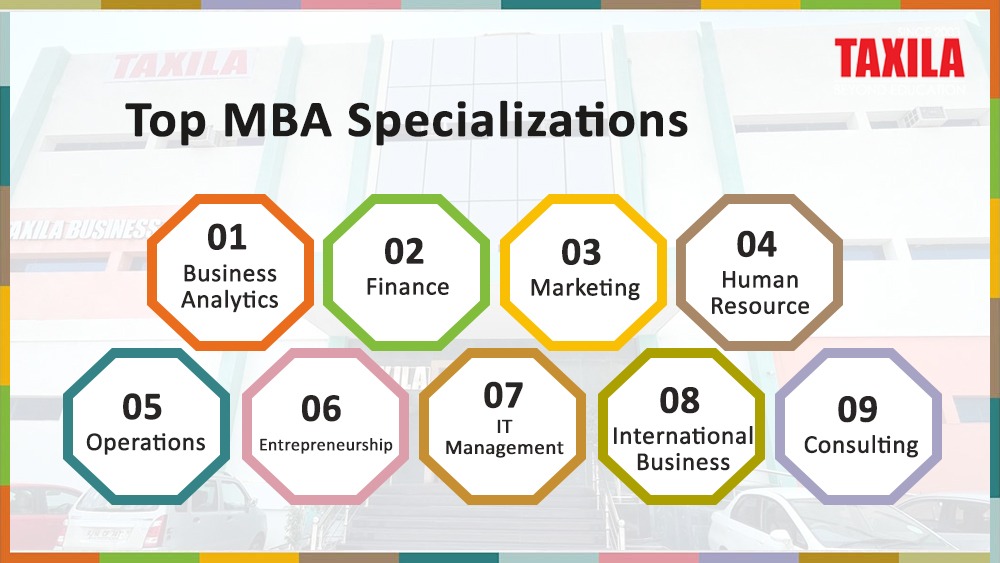
Electives: Allows students to specialize in areas like data analytics, entrepreneurship, or international business.
Case studies and projects: Provide real-world business scenarios to develop problem-solving skills.
Internships: Offer hands-on experience and industry exposure.
Capstone projects: Culminate the program with a strategic business plan or consultancy project.
Networking opportunities: Build relationships with peers, faculty, and industry leaders.
Types of MBA Programs
Top MBA Schools Worldwide
INSEAD – France/Singapore
London Business School (LBS) – UK
Wharton School – University of Pennsylvania – USA
Indian School of Business (ISB) – India
HEC Paris – France
University of Chicago Booth School of Business – USA
IE Business School – Spain
Kellogg School of Management – Northwestern University – USA
Why Pursue an MBA?
1. Career advancement
An MBA equips professionals with the skills to take on managerial roles, lead teams, and make strategic decisions. It provides a platform for individuals to showcase their leadership potential and take on responsibilities that require a high level of business acumen.
2. Higher earning potential
Graduates from top MBA programs often see significant salary increases. For instance, the average post-MBA salary for graduates from top-ranked schools exceeds $120,000 annually. The financial investment in an MBA often pays off with enhanced compensation packages and long-term career growth.
3. Global opportunities
An MBA opens doors to international roles and builds cultural competence through diverse cohorts. Many programs feature global modules or partnerships with institutions worldwide, preparing students to excel in multinational organizations.
4. Entrepreneurial skills
Many MBA programs offer resources like startup incubators, mentorship, and funding opportunities for aspiring entrepreneurs. These resources enable students to refine their business ideas and bring them to fruition.
5. Networking
Access to a robust alumni network and industry connections can significantly impact career growth. The relationships built during an MBA often lead to lifelong professional and personal connections that enrich one’s career journey.
Who Should Consider an MBA?
An MBA is ideal for:
Mid-career professionals aiming for leadership roles.
Entrepreneurs seeking to refine their business strategies.
Career switchers entering new industries or functions.
Fresh graduates aspiring for rapid career growth (in certain programs like MiM-MBA hybrids).
Individuals looking to expand their professional network and enhance their global perspective.
How to Get Into an MBA Program?
Eligibility: A bachelor’s degree is a prerequisite. Many schools require work experience (2-5 years on average).
GMAT/GRE: Standardized test scores are often required, though some schools offer waivers.
Application essays: Showcase your motivation, career goals, and why you’re a good fit for the program. Strong essays reflect self-awareness and alignment with the program’s values.
Letters of recommendation (LORs): Provide endorsements from supervisors or mentors who can vouch for your leadership potential.
Interview: Demonstrate your leadership potential and alignment with the program’s values. Practice is key to articulating your experiences effectively.
Conclusion
An MBA is more than just a degree—it’s a transformative journey that shapes future leaders, entrepreneurs, and changemakers. Whether you aspire to climb the corporate ladder, build your own enterprise, or explore global opportunities, an MBA can be the key to unlocking your potential. It equips you with the tools to adapt to a constantly evolving business landscape, ensuring you remain competitive and impactful throughout your career.